
Our Blog
Discover Insights, Tips, and Fun Activities for Your Child's Movement and Development Journey!
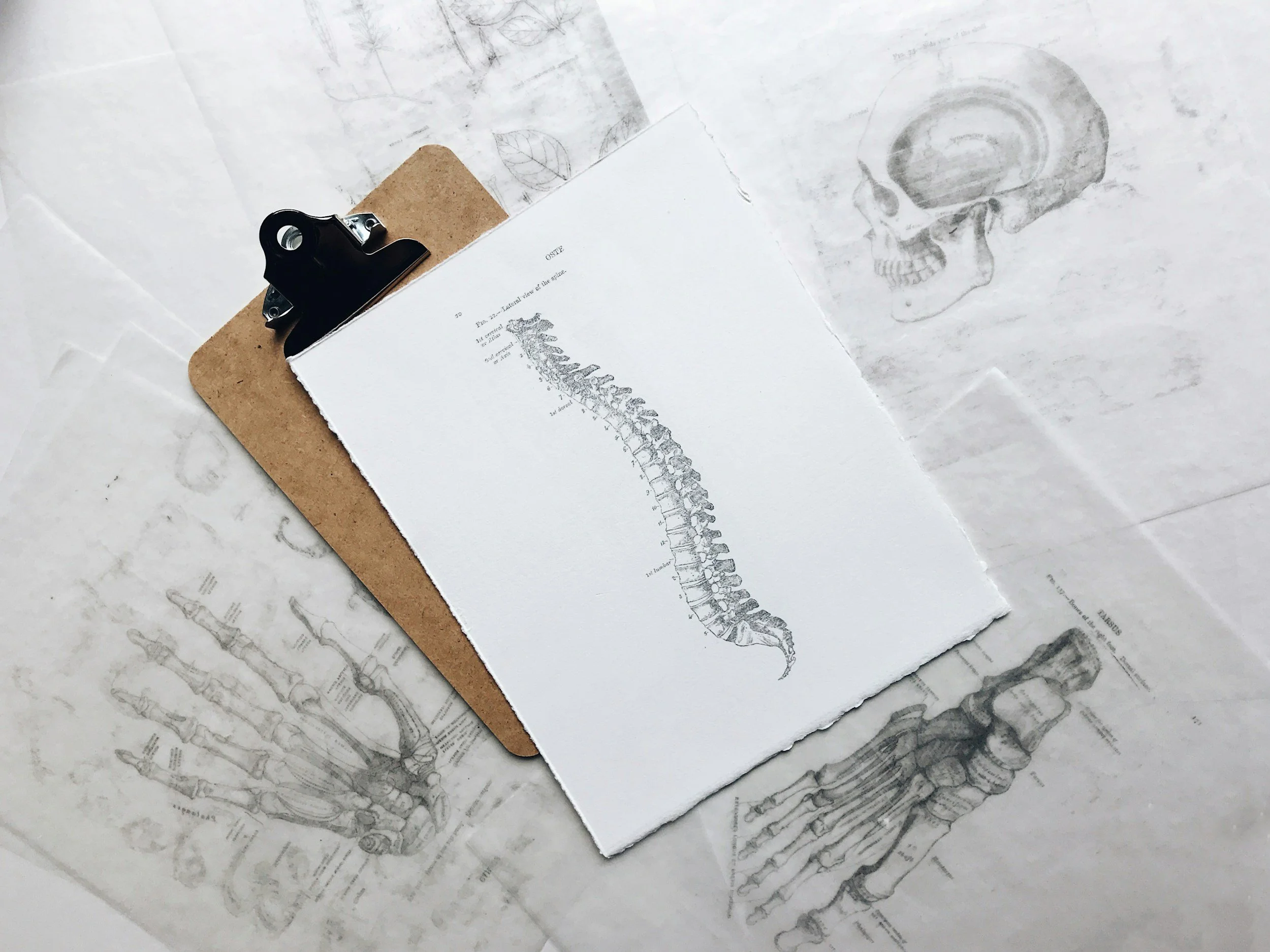
Scoliosis in Children: What Parents Need to Know
Scoliosis is a sideways curvature of the spine that most commonly appears during the adolescent growth spurt. In most cases it's mild, and many children need nothing more than monitoring and some targeted exercises. Signs to look out for include uneven shoulders, a rib hump when bending forward, or hips that sit at different heights — and if you notice any of these, an early assessment with a paediatric physiotherapist is a simple, painless first step. Scoliosis isn't caused by poor posture or heavy school bags, and it isn't something you could have prevented.
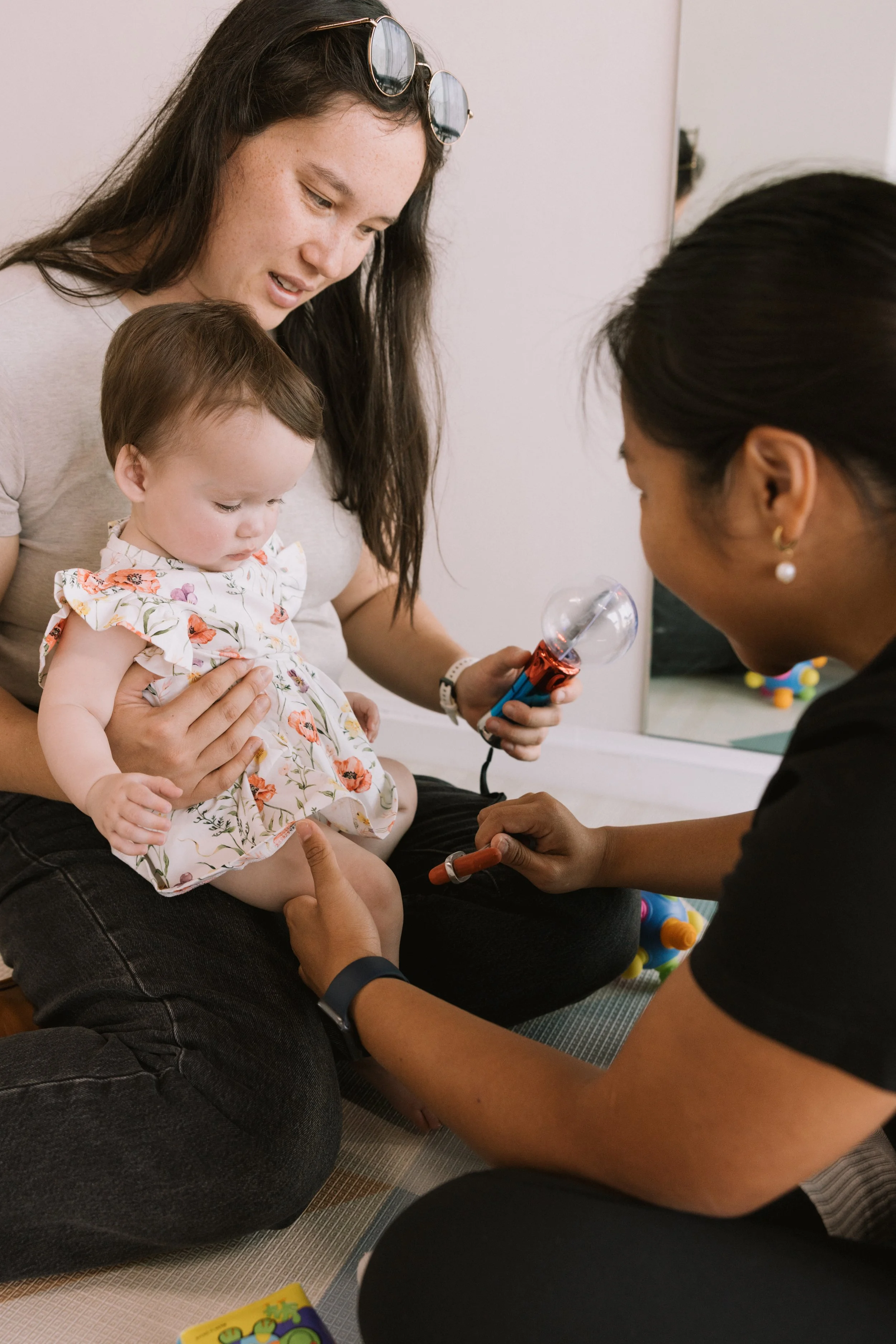
Does My Child Have Cerebral Palsy?
Noticing something different about the way your baby moves, reaches, or sits? You're not alone — and your instincts matter. This guide walks through the early signs of cerebral palsy in babies and toddlers, from asymmetrical movements and delayed milestones to tiptoe walking and hand dominance before 12 months. Learn how cerebral palsy is diagnosed, the different types of CP, and how early intervention through paediatric physiotherapy can make a real difference in your child's development. Canberra Children's Physio specialises in early detection tools like the General Movements Assessment (GMA) and HINE, supporting families across Canberra, Queanbeyan, and Yass.
What to Expect from Teen Pelvic Pain Physiotherapy Appointment
Pelvic pain in is a common yet often overlooked issue among teenagers, and it can significantly affect their daily lives, from school and social activities to sports and general well-being.
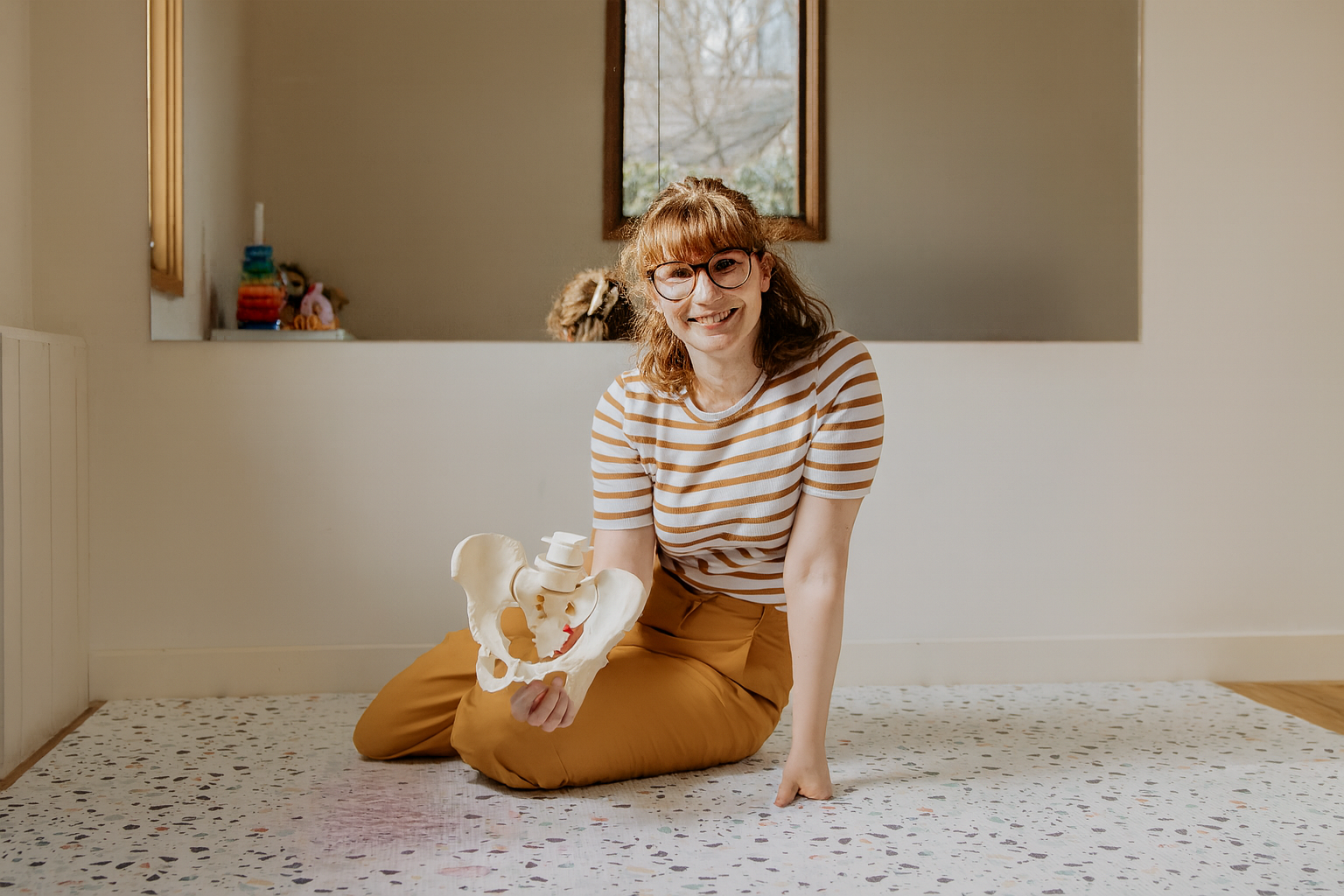
Understanding and Managing Pelvic Pain in Teens: A Guide to Support and Relief
Pelvic pain in is a common yet often overlooked issue among teenagers, and it can significantly affect their daily lives, from school and social activities to sports and general well-being.
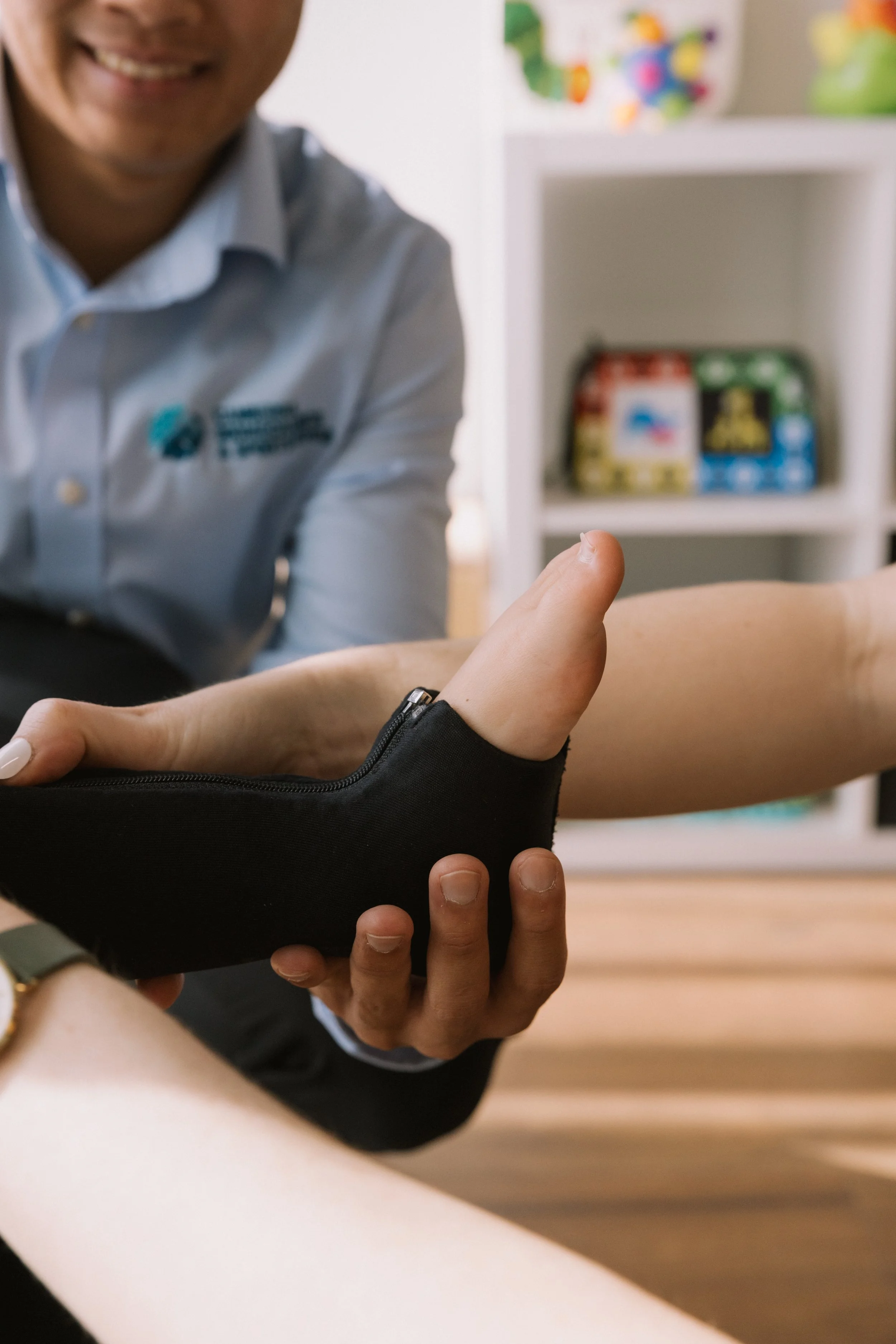
Serial Casting - The Who, Why and How
Serial casting is a treatment where a child’s limb—often a foot or ankle—is placed in a cast for a short period of time to gradually stretch the muscle. After a few days of wearing the cast, we review the movement and progress the stretch. As this is done of a series of casts, it is called ‘Serial Casting.’
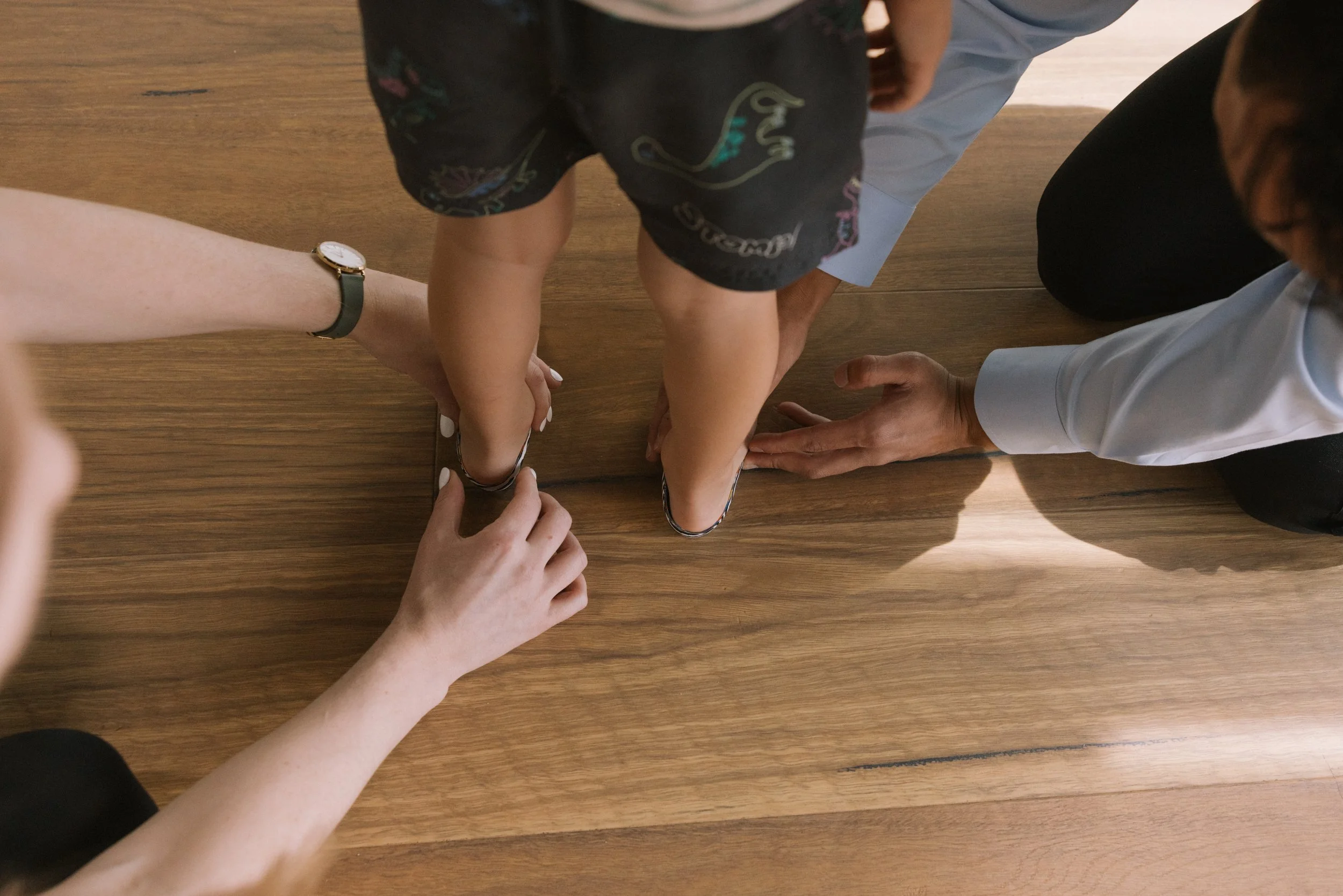
When to be concerned about Flat Feet in Children
Flat feet (also called “pes planus”) are a common concern in children and can leave many parents wondering if it’s normal or if their child needs treatment. Simply put, flat feet occur when the arches of the feet are low, absent or hidden, making the entire sole of the foot touch the ground when standing.
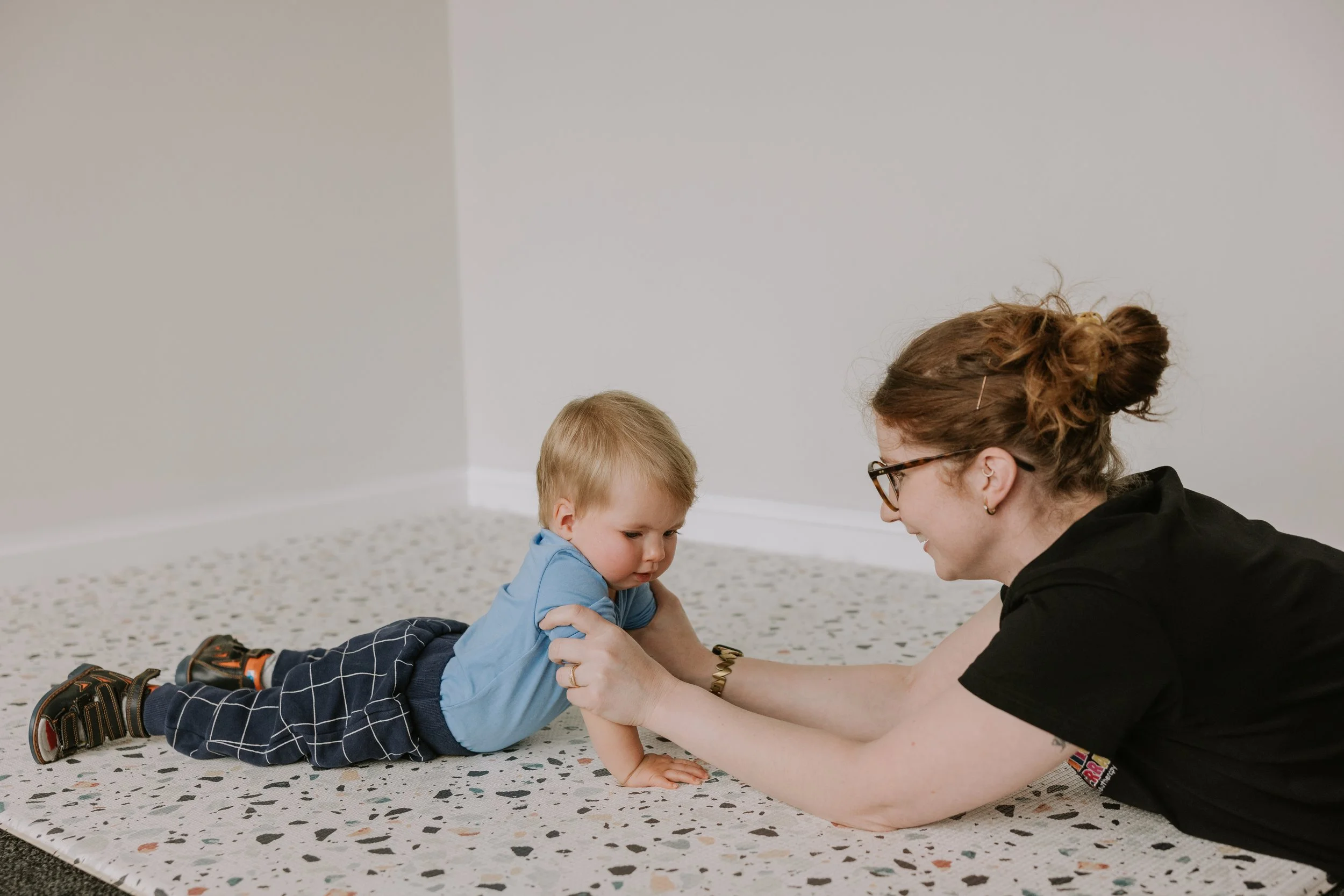
When should my baby start rolling?
If your baby hasn't started rolling by 6 months or shows signs of discomfort or asymmetry, consulting a paediatric physiotherapist can help support their motor development. Babies typically start rolling between 4 to 6 months, first from tummy to back, then from back to tummy. Delays in rolling beyond 6 months, difficulty rolling in one direction, or stiffness in movements may indicate a need for further assessment.
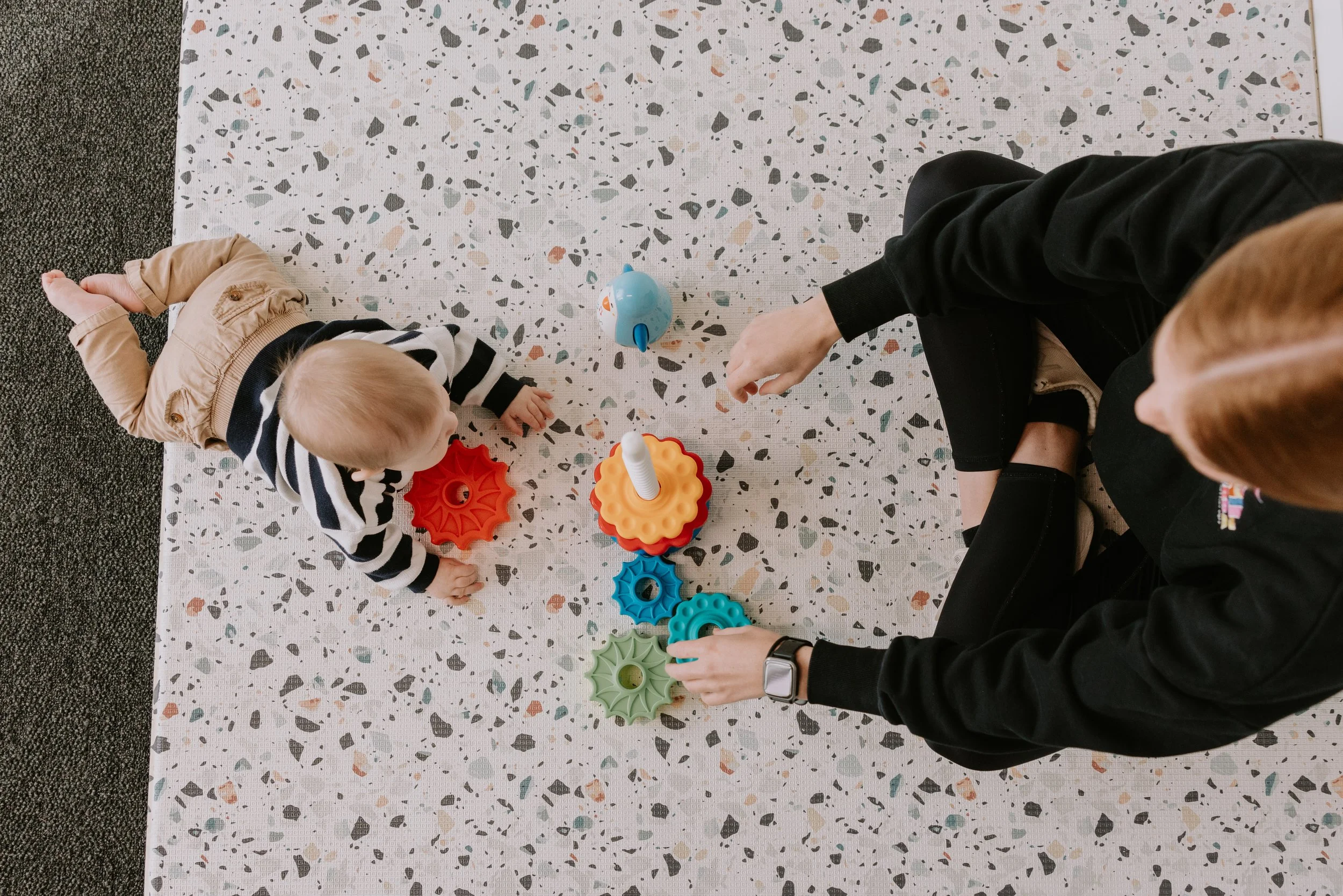
Is it ok if my baby skips crawling?
Is it ok if babies skip crawling? This is something we are asked a lot. Short answer is no, long answer is that crawling is an essential developmental milestone that supports development of shoulder and neck strength, abdominal strength, hip mobility and coordination. Read the full post for more info…
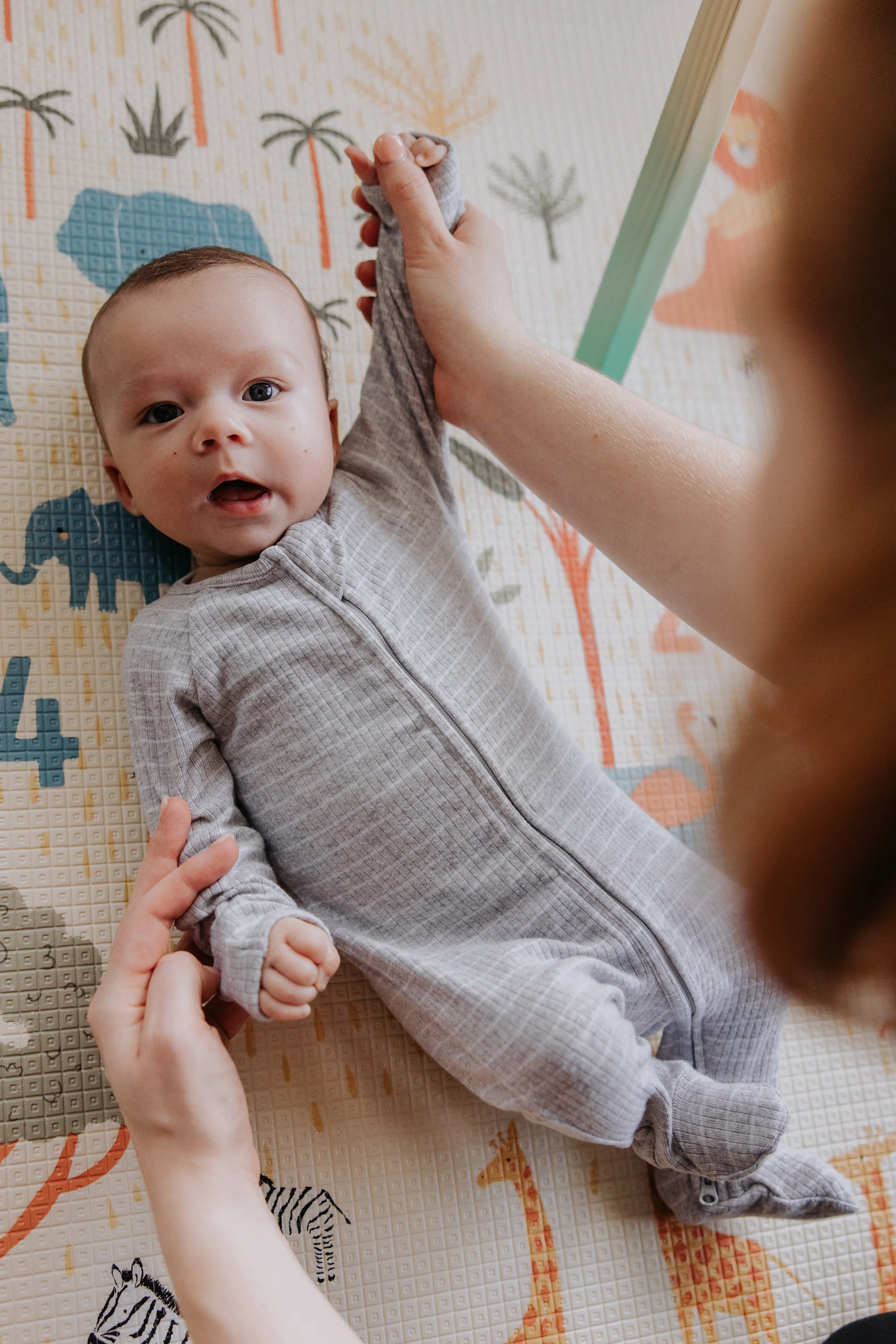
Torticollis in Babies: Why Early Physiotherapy Matters
Torticollis (or neck tightness in babies) is one of the most common reasons children are referred to peadiatric physiotherapy in Canberra, particularly in the first few months of life. While it may appear to be a mild head tilt or side preference…
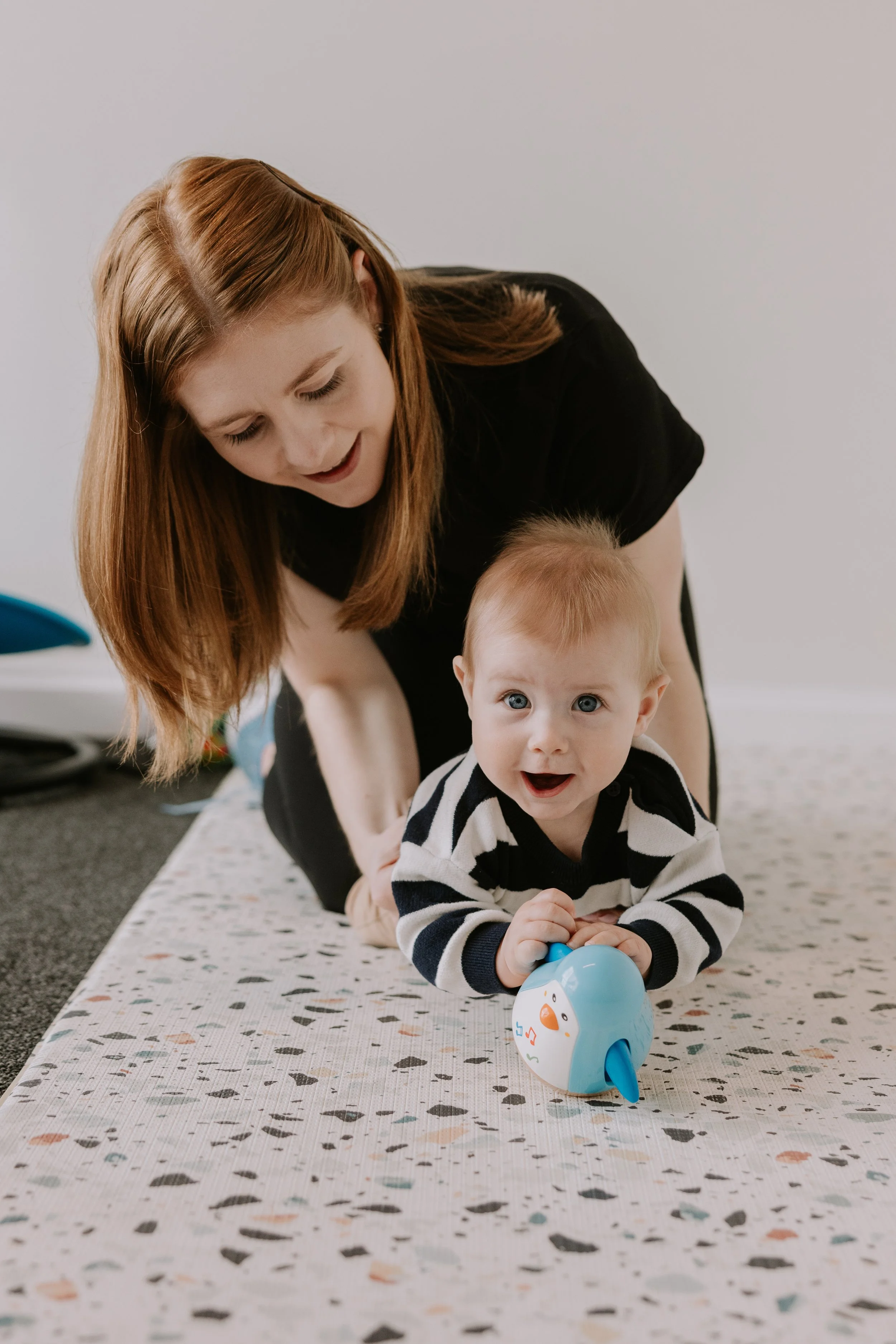
Tummy Time: Why It Matters and How to Make It Easier
Tummy time is a simple yet essential activity that helps babies develop the strength, coordination, and motor skills they need for to achieve their developmental milestones. By starting early, doing small bursts regularly, and adapting to your baby’s comfort level, you’re laying the groundwork for important milestones like rolling, sitting, and crawling, while also helping prevent flat spots on the head.

How Torticollis Can Affect Your Baby’s Feeding
Torticollis is a condition in which a baby’s neck muscles are tight – specifically through the sternocleidomastoid muscle (amongst others), causing their head to tilt to one side and/or rotate more easily in one direction than the other. It’s is a common condition that has been reported to affect at least 1 in 6 babies.

2 year Old Gross Motor
As your toddler turns two, they really start to develop their movement skills and become quite proficient in their climbing, running and going up and down stairs. Every child develops at their own pace, but here are some gross motor skills many 2-year-olds begin to show.

What Conditions do Paediatric Physiotherapists Treat?
A paediatric physiotherapist is able to diagnose and treat conditions that are unique to children such as Neurological Conditions, Congenital Conditions, Musculoskeletal Conditions and Developmental Delay.

Intensive Physiotherapy
Intensive therapy involves a high number of physiotherapy sessions in a short space of time. It benefits children who are working on skills such as improved head control, independent sitting, standing balance and walking. Specific neurological, congenital and genetic conditions especially benefit from this approach.

Baby Physiotherapy
Baby Physiotherapists see children in their first year of life to support them to develop gross motor skills such as rolling, crawling or walking. Paediatric Physiotherapists work with families and provide play-based exercises to support baby’s development.

Is it ok if my child skips crawling?
Children typically start crawling around 8-10 months to allow them to explore their environment and to access toys that were previously outside their reach. To achieve crawling, children need good head control, integrated reflexes, adequate arm and leg strength and coordination.

Tummy Time for Babies
Tummy time is a great way to start strengthening the neck, shoulder, and core muscles. Babies should start with short bursts of tummy time of 1-3 minutes a couple of times per day, and work to increase to 15–20-minute sessions several times per day.

Physiotherapy for Autistic Children
Autistic Children benefit from a coordinated therapy team. Paediatric Physiotherapists work on increasing gross motor, fine motor and toileting skills. Physiotherapists help to improve motor planning skills and sensory skills to help children increase independence and participate with peers.

Toe Walking in Children
Toe walking is the inability to walk with a heel-toe pattern of walking. It is considered a typical walking pattern of movement in children under the age of 2 years. Toe walking is relatively common. Most Children who walk on their toes are given the diagnosis of ‘Idiopathic Toe Walking,’

Growing Pains
Growing pains is a diagnosis that can be given to children who experience recurring pain. Despite what the name suggests, growing pains have not been linked to growth. For this reason, they are now often referred to as ‘Recurrent Limb Pains of Childhood.’