
What to Expect from Teen Pelvic Pain Physiotherapy Appointment
Summary: Pelvic pain in teens is real, common, and treatable. At Canberra Children's Physiotherapy, we offer a non-invasive, age-appropriate approach to help teenagers understand and manage pelvic pain — whether it's related to periods, posture, muscle tension, or a chronic condition. Sessions involve a thorough assessment, personalised treatment, and practical strategies your teen can use at home and school. We also work with families and other health professionals to make sure your teen gets well-rounded support.
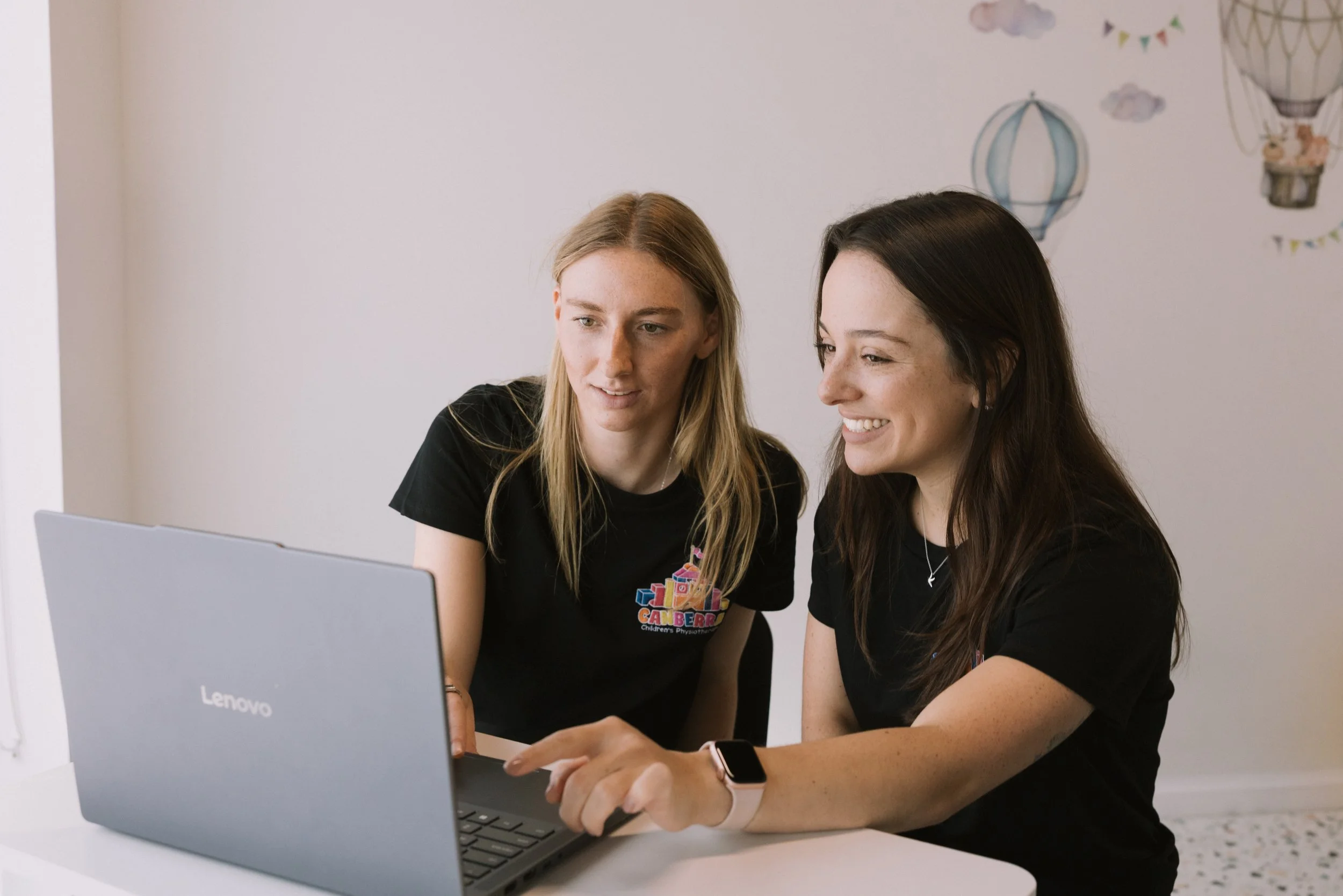
When you visit our clinic, you can expect a supportive and age-appropriate approach. Our physiotherapists are trained in paediatric and adolescent care, ensuring that teens feel comfortable and heard throughout their treatment journey.
Here's what you can expect from a pelvic health physiotherapy session:
Comprehensive Assessment: We start off by discussing symptoms and concerns that your child has, as well as their goals (eg. pain management, participation in sport, school attendance). We then move on to evaluating posture, superficial and deep abdominal muscle function, breathing patterns, and general movement. This helps us identify any contributing factors to your teens pelvic pain.
Personalised Treatment Plans: Based on the assessment, we'll develop a treatment plan that may include:
Pelvic floor relaxation techniques for overactive muscles in a non-invasive manner
Posture strength and/or stretches to reduce pelvic the load on the pelvis
Gentle movement exercises to soothe pain
Education and Support: Understanding pain is crucial for managing it effectively. We provide education on how pelvic pain works, why the body can become sensitive, and ways to manage discomfort at home or school.
Family Involvement: we work with families to ensure they are equipped to support the teen’s journey navigate their pelvic pain.
Pain Management Strategies for Teens:
In addition to physiotherapy, there are several strategies that can help teens manage pelvic pain on a daily basis:
Heat Therapy: Using a wheat bag or hot water bottle on the abdomen can provide immediate relief for menstrual cramps and pelvic discomfort
Relaxation Techniques: Practices like diaphragmatic breathing, yoga, and meditation can help reduce stress, improve relaxation, and decrease pain sensitivity
Pacing: It's important for teens to find a balance between activity and rest. This involves setting realistic limits on energy levels to avoid overexertion
Collaborative Care for Comprehensive Relief
Managing pelvic pain is often most effective when approached from a multidisciplinary perspective. Teens may benefit from support that includes:
Medical care, such as hormonal treatment or pain relief medications.
Gynaecologist care, especially when conditions like endometriosis or adenomyosis are suspected
Psychological support, through counseling or therapy to manage the emotional aspects of living with chronic pain.
School accommodations, to help manage symptoms during flare-ups
Take the First Step Towards Relief
Pelvic pain is real, and it deserves attention and care. If your teen is experiencing pelvic pain, whether it’s due to menstrual issues or a chronic condition, we encourage you to seek help early. Physiotherapy can provide effective relief and help teens regain control of their bodies, allowing them to participate fully in the activities they love.
At Canberra Children’s Physiotherapy, we’re here to help teens navigate their pelvic health journey with empathy, expert care, and practical solutions. If you have concerns or would like to learn more about our pelvic health services, don’t hesitate to reach out.
Start the conversation today. Your teen’s well-being matters!
FAQ’s
-
We start with a conversation about your teen's symptoms, concerns, and goals. From there we assess posture, breathing, abdominal muscle function, and general movement. Treatment is always non-invasive and tailored to what your teen needs.
-
Yes. Our physiotherapists are trained in paediatric and adolescent care and use age-appropriate, non-invasive techniques. We make sure teens feel comfortable and in control throughout their treatment.
-
It can help with menstrual pain, pelvic floor muscle tension, posture-related pelvic pain, and chronic pelvic pain conditions. Where conditions like endometriosis are suspected, we work alongside gynaecologists and other specialists.
-
No. Our approach is non-invasive and focuses on external assessment of posture, movement, breathing, and abdominal muscle function.
-
Practical strategies include heat therapy, diaphragmatic breathing, pacing activity and rest, and gentle movement. We provide education and a home management plan as part of every treatment.Item description
-
Yes. We work with families throughout the process to make sure parents feel equipped to support their teen, while also ensuring the teen feels heard and respected in their own care.
-
Yes. Managing pelvic pain often requires a team approach. We collaborate with GPs, gynaecologists, psychologists, and schools where needed to make sure your teen gets comprehensive support.