
Physiotherapy for Cerebral Palsy and Neurological Conditions in Canberra
Physiotherapy for babies, children and teens with neurological and genetic conditions, including General Movements and HINE assessments. NDIS clients welcome, and no referral needed.

Neurological & Genetic Conditions
If your child has received a diagnosis of a neurological or genetic condition, you’re probably already navigating a lot — appointments, assessments, advice from multiple directions, and a whole range of emotions. Physiotherapy is one of the most important supports you can put in place early, and at Canberra Paediatric Physiotherapy, it’s an area we’re deeply passionate about.
We work with children across the full age range — from early infancy through to adolescence — and we welcome families who self-refer. You don’t need a GP or specialist referral to book an appointment with us.
Conditions we support
We work with children and families living with a range of neurological and genetic conditions, including:
Cerebral palsy
Muscular dystrophy (including Duchenne and Becker’s)
Spina bifida
Down syndrome
Rare genetic conditions
Every child is different, and we tailor our approach to your child’s specific needs, goals, and stage of development. If your child’s condition isn’t listed here, please reach out — we’re happy to talk through whether we’re the right fit.
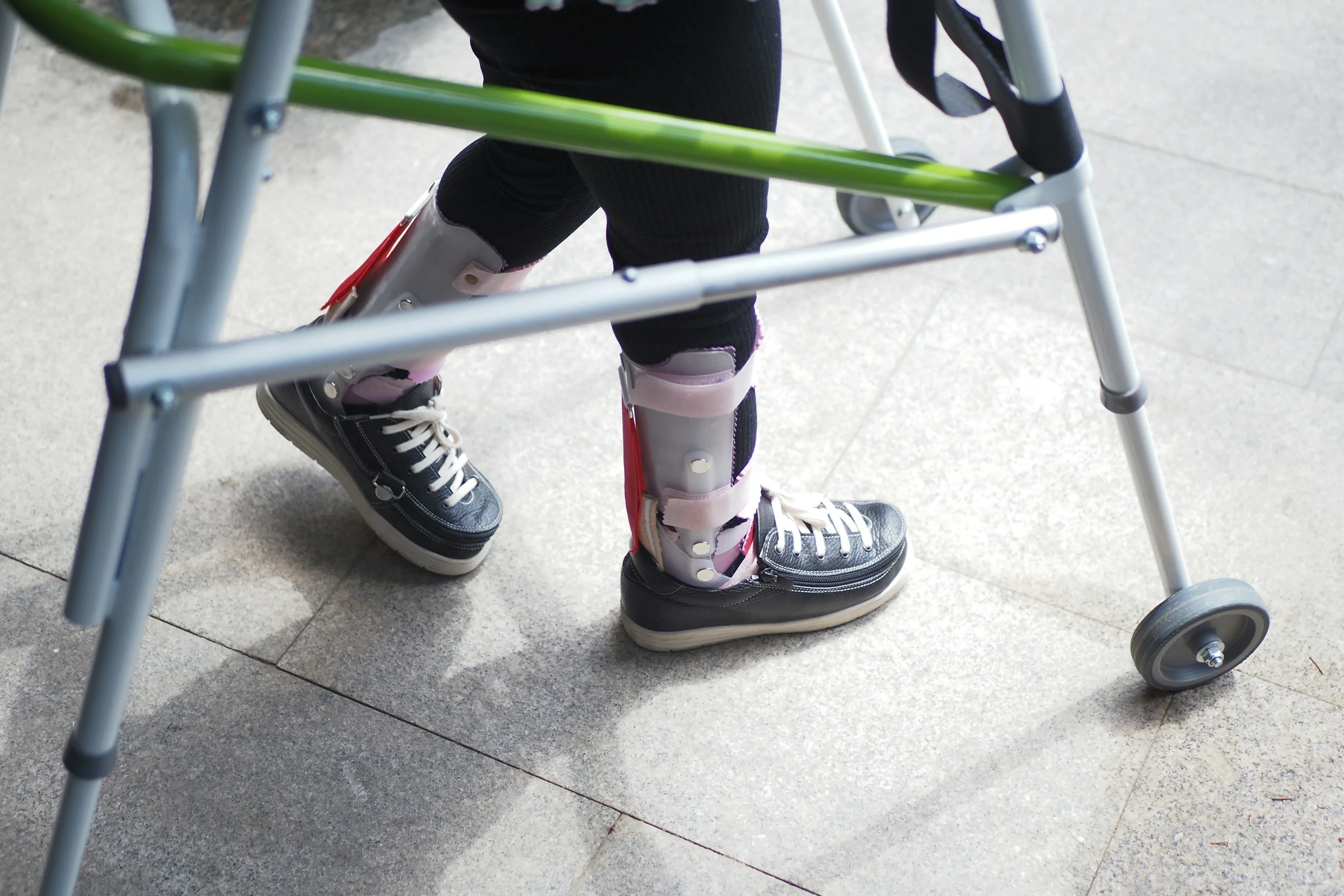
Early assessment makes a real difference
The brain and body are most adaptable in the early years of life. Early physiotherapy assessment and intervention during this window can have a significant impact on the movement patterns your child develops, the strength and skills they build, and their ability to participate in everyday life.
We have additional training in two assessments that are particularly valuable for identifying movement concerns early.
General Movements Assessment (GMs)
The GMs is a non-invasive assessment that analyses the quality of a baby’s spontaneous movements. It can identify babies at high risk of cerebral palsy and other neurological conditions as early as three to five months of corrected age, making it one of the earliest and most reliable tools available.
Hammersmith Infant Neurological Examination (HINE)
The HINE is a standardised neurological assessment used from two to twenty-four months. It assesses cranial nerve function, movement, tone, reflexes, and developmental milestones, and is highly predictive of motor outcomes in babies at risk of cerebral palsy.
Both assessments are available at Canberra Paediatric Physiotherapy, and we’re one of a small number of paediatric physiotherapy clinics in Canberra with specific training in these tools.
What physiotherapy looks like for your child
Physiotherapy for neurological and genetic conditions is highly individualised. Depending on your child’s needs, sessions may include:
Gait assessment and retraining for children who are walking or working toward walking
Strength and motor training to build functional capacity
Stretching and positioning programs to manage muscle tone and support joint health
Goal-directed therapy focused on the movement skills that matter most in your child’s everyday life — playing, getting dressed, keeping up at school, participating in sport
Serial casting or splinting where indicated to improve range of motion
Home programs to help families embed therapy into daily routines
School and community consultation to support participation across all areas of life
Coordination with paediatricians, neurologists, orthopaedic surgeons, occupational therapists, and orthotists as needed
We also work closely with occupational therapy, particularly for children with upper limb involvement or who need support with fine motor development, daily activities, and equipment prescription.
NDIS Support
We work with children and families who are supported by the NDIS. Whether your child is self-managed, plan-managed, or agency-managed, we can work within your plan to provide physiotherapy services.
If you’re not sure whether physiotherapy is included in your child’s plan or how to access funding, we’re happy to help you work through that. Reach out and we can talk it through before you book.
1. Initial appointment
We start with a chat! We talk about baby’s birth and how they’ve been developing since being earthside. We delve into their sleep and feeding patterns, any concerns that have arisen and may ask more specific questions about your presenting concern.
2. Thorough assessment
We always do a ‘Head-to-Toe’ Assessment to fully assess baby’s muscles and joints. We look at how baby’s moving in different positions such as on their back, on their tummy or in sitting. We explain what we are observing throughout our assessment and why it’s relevant.
3. Develop a treatment plan
Once we have assessed baby, we will summarise our findings and discuss a treatment plan. This may include stretches, strengthening exercises, sensory based interventions, positioning and movement advice.
4. We collaborate
We like to link in with your GP or specialist to coordinate our treatment approach. We want the best outcome for your baby which requires everyone on the same page.
5. Referral to other therapists
Sometimes we may need to refer your baby for a scan or to another specialist to get some more information to help with a diagnosis or treatment plan.
Questions, Answered with Care
Navigating movement concerns for baby can feel overwhelming, but you’re not alone. Explore our FAQs to learn what baby physiotherapy involves, who it can help, what sessions look like, and how we support families every step of the way.
-
No. You can self-refer directly to Canberra Paediatric Physiotherapy without a GP or specialist referral. If your child has other health professionals involved, we’re happy to liaise with them as part of your child’s team.
-
We support children with cerebral palsy, muscular dystrophy (including Duchenne and Becker’s), spina bifida, Down syndrome, and rare genetic conditions. If your child’s condition isn’t listed, get in touch and we can talk through whether we’re the right fit.
-
Yes. We work with families who are self-managed, plan-managed, or agency-managed. If you’re not sure whether physiotherapy is included in your child’s plan, we’re happy to talk it through with you before you book.
-
We see children from early infancy through to adolescence. Needs change as children grow, so we adjust our approach to suit your child’s age, goals, and stage of development.
-
The GMs looks at the quality of a baby’s spontaneous movements and can help identify babies at high risk of cerebral palsy from around 3-5 months of corrected age. The HINE is a standardised neurological exam used from 2-24 months that looks at tone, movement, reflexes, and milestones. Our physiotherapists have additional training in both.
-
Sessions are play-based and tailored to your child. Depending on their needs, we may work on strength, movement skills, walking, stretching and positioning, or home programs that fit into your daily routine. We start with an assessment to understand your child’s goals and what matters most to your family.
Have questions? Go to our FAQs
Help Starts Here!
You don’t need to wait for a referral or for concerns to become significant before reaching out. If your child has a diagnosis and you’d like to explore whether physiotherapy can support them, the best first step is simply getting in touch. We’ll talk through your child’s needs, answer your questions, and work out the best way to support your family from there.
Book an appointment today — we’d love to be part of your child’s team.